Why Understanding Hash Concentrate Varieties Matters
I have spent the better part of a decade around hash, from the sticky souk stalls of North Africa to the more controlled environments of licensed production facilities in North America. The single biggest mistake I see new consumers make is treating all hash concentrates the same. They walk in expecting one type of experience and end up with something completely different, often because they did not understand the differences between extraction methods, source materials, and processing techniques. This short guide aims to change that. By the time you finish reading, you will have a practical framework for evaluating hash concentrate varieties, whether you are shopping for personal use or considering bulk pricing for a larger operation.
From Kief to Full Melt: The Starting Point
Every hash concentrate begins with trichomes, the resin glands that contain the cannabinoids and terpenes we value. The first major fork in the road is how those trichomes are separated from the plant material. The simplest method is dry sieve, where dried cannabis is shaken or brushed through fine mesh screens. This produces kief, a powdery concentrate that can be pressed into hash or consumed as-is. I have seen dry-sieve kief range from a pale golden color to a dark brown, depending on how much plant matter gets through the screen. The cleaner the sieve, the higher the potency, but also the lower the yield. That trade-off matters when you are working with bulk pricing structures.
Bubble hash takes a different approach. Here, cold water extraction is used to separate trichomes. The plant material is agitated in ice water, causing the resin heads to freeze, become brittle, and sink through a series of filter bags. The result is a very pure product, often called full melt because it bubbles and liquefies completely when heated. I have pressed bubble hash through a rosin press and gotten hash rosin that was almost transparent, a sign of high purity. The downside is that cold water extraction takes more equipment and time. But for consumers who want the cleanest possible experience, bubble hash is hard to beat.
Regional Traditions: Afghan, Moroccan, and Lebanese Hash
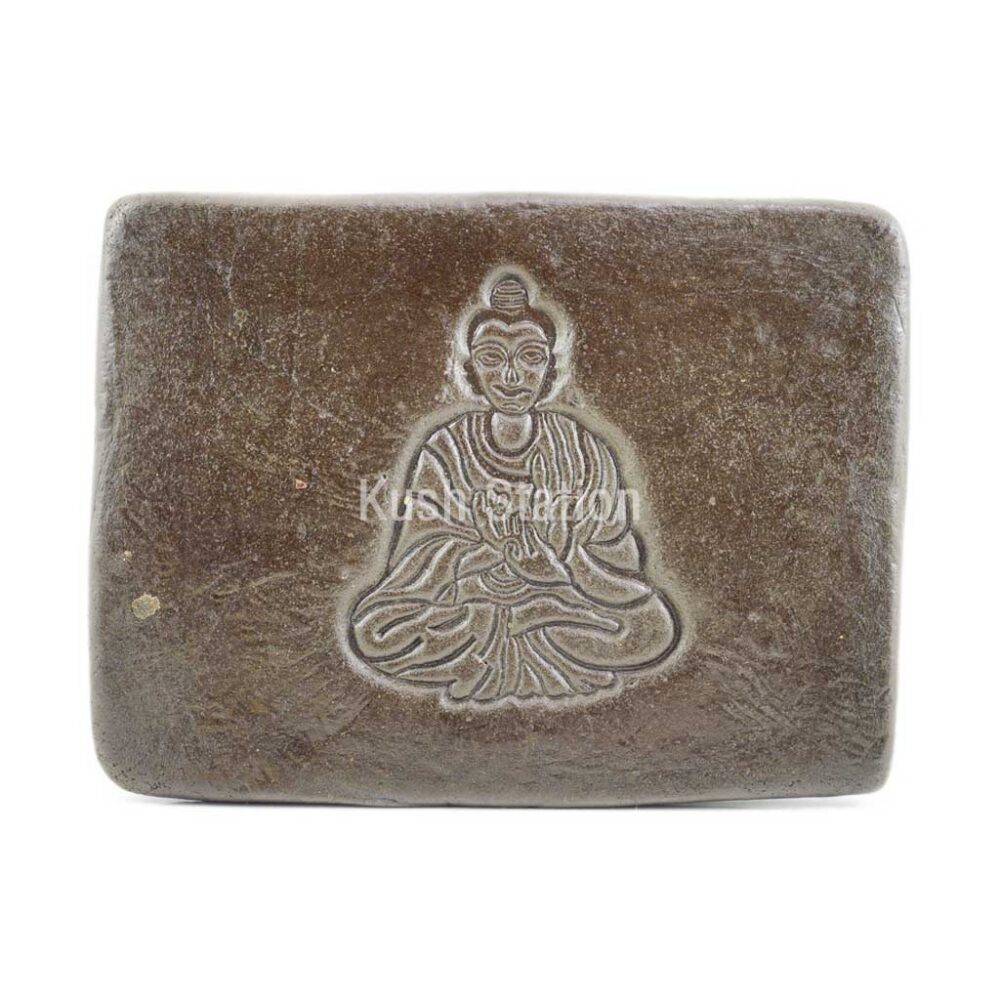
When people talk about hash concentrate varieties, they often start with the classic producing regions. Afghan hash is typically dark brown or black on the outside, with a reddish or golden interior. It is known for its earthy, spicy flavor profile and a heavy, sedative effect. Afghan farmers traditionally used hand-rubbing techniques, collecting resin directly from the plants by rolling the sticky mass between their palms. This method produces a dense, pliable hash that softens when held in your hand. I recall visiting a small farm outside Mazar-i-Sharif where the hash was stored in goat skins, which imparted a subtle animalic note that aged beautifully over months.
Moroccan hash, by contrast, is usually lighter in color, ranging from blonde to light brown. It is made almost exclusively from dry-sieved kief, pressed into slabs. The texture is softer and more crumbly than Afghan hash, and the flavor leans toward floral and citrus notes, depending on the strain. Moroccan hash is the most widely exported variety in the world, and for good reason. It offers a consistent, predictable experience that pairs well with both a vaporizer and a dab rig. Lebanese hash sits somewhere in between, often reddish-brown with a pliable, almost sticky texture. It carries a distinctive spice-and-herb profile that reminds me of za'atar, the Middle Eastern spice blend. Lebanese producers often use a combination of dry sieve and light pressing, which preserves more terpenes than heavy compression.
Modern Extraction Methods: Solventless vs. Solvent-Based
The biggest shift in the last decade has been the move toward solventless extraction. Methods like rosin pressing use heat and pressure to squeeze resin out of flower or kief without any chemical solvents. The resulting hash rosin is highly flavorful and considered the gold standard for connoisseurs. I have pressed dozens of batches, and the difference between a well-cured strain and a poorly dried one becomes immediately obvious in the rosin. The terpenes are front and center, and any flaws in the source material are amplified.
On the other side of the spectrum, solvent-based extracts like BHO and CO2 oil use butane or supercritical carbon dioxide to strip cannabinoids from the plant matter. BHO (butane hash oil) is often dark, sticky, and potent, but it can retain residual solvents if not purged properly. CO2 oil is cleaner, as carbon dioxide leaves no toxic residue, but the process is more expensive. These extracts are less common in the consumer market now because solventless methods have improved so much, but they still appear in some bulk pricing scenarios where cost per gram is the priority.
Isolates and Crystalline Forms
As extraction technology has advanced, we have seen the rise of isolated cannabinoids like CBD isolate and THC-A. These are not traditional hash concentrates in the sense of being whole-trichome products. They are purified to a single compound, often over 99% pure. CBD isolate is widely used for its therapeutic effects without the high. THC-A, the acid form of THCa, is a crystalline powder that can be converted into delta-9 THC through decarboxylation. These products require specialized equipment to consume, usually a dab rig or an e-nail, because they do not burn well in a joint or pipe.
I have seen consumers try to mix THC-A isolate into a bowl of flower, only to have it melt and drip through the bowl before combusting. That is a waste. Understanding how to use each form is part of being an educated buyer. The same applies to terpenes added back into concentrates for flavor. Some producers reintroduce strain-specific terpenes to enhance the aroma of an otherwise neutral extract.
Practical Considerations: Quality, Cost, and Consumption
When evaluating hash concentrate varieties, three factors matter most: the starting material, the extraction method, and the storage conditions. Top-shelf bubble hash from fresh-frozen flower can cost several times more than dry-sieve kief from dried trim, but the difference in flavor and smoothness is dramatic. If you plan to use a vaporizer, you want a product that melts cleanly without leaving residue. For a dab rig, you want something that vaporizes fully at a low temperature. Lower-grade hash may leave a black char in your nail, which degrades the flavor of subsequent dabs.
Bulk pricing often means buying larger quantities of a single variety. I have seen buyers commit to 100 grams of Moroccan dry sieve only to realize they prefer the fuller flavor of Lebanese hand-rolled. The lesson is to sample before committing to large volumes. KushStation, for example, offers a range of options that let you explore different types before you buy in bulk. That approach saves money and frustration in the long run.
Final Thoughts
The world of hash concentrate varieties is broad and still evolving. Whether you are a casual user who enjoys a simple kief bowl or a dedicated enthusiast pressing your own hash rosin, the key is to match the product to your method and your palate. Afghan hash delivers a classic, heavy experience. Morrocan hash offers consistency and ease of use. Bubble hash and solventless extracts reward those who chase flavor. And isolates like CBD isolate and THC-A open doors to precise cannabinoid dosing. Take the time to understand what you are buying, and you will get more value from every gram.